
Embracing the Pain of Tattoos: The Ritual That Transforms You
- Nov 6
- 3 min read
Tattoos are more than just ink on skin. They carry stories, mark milestones, and symbolize personal journeys. One question often asked is why tattoo artists don’t use anesthesia during the process. The answer lies in the pain itself — it is not just a side effect but a vital part of the experience. The pain holds power. It acts as a therapeutic and bonding element that connects the wearer to the ritual of transformation.
The Pain as a Rite of Passage
Pain in tattooing is not accidental. It serves as a rite of passage, a test of endurance and commitment. When someone chooses to get a tattoo, they accept the discomfort as part of the journey. This shared experience creates a connection between the artist and the client, and among those who have undergone the process.
The pain ensures that everyone, regardless of background or status, pays the same price for their tattoo. This equality strengthens the meaning behind the tattoo. It becomes a symbol not only of the design but of the courage and resilience required to wear it.
Why Skipping Pain Skips the Ritual
Using anesthesia might seem like a way to make the process easier, but it removes the essential element of the ritual. The pain is the fire that refines the covenant between the tattoo and the person. Without it, the experience loses depth and significance.
The discomfort forces the wearer to be present in the moment, to confront vulnerability and embrace transformation. It is a physical reminder that meaningful change often requires sacrifice. Skipping the pain means skipping the ritual, and with it, a part of the tattoo’s true power.

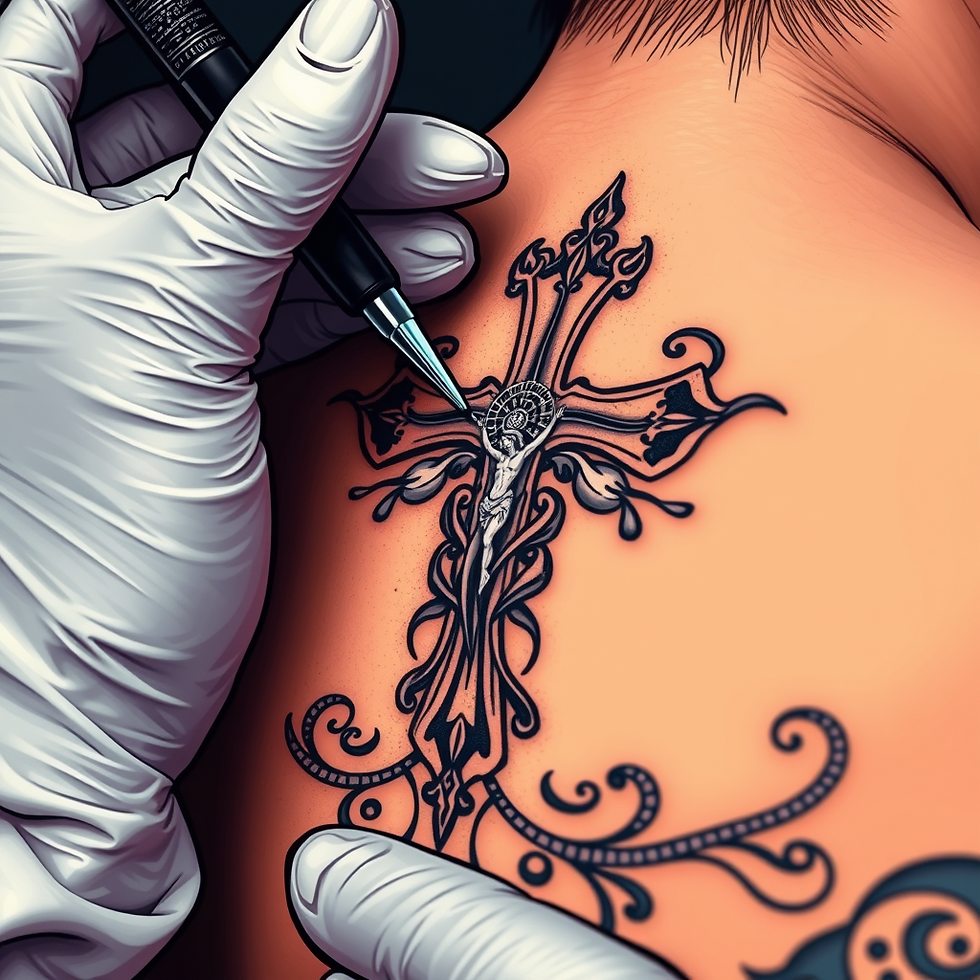
Close-up view of a tattoo needle working on skin, showing the detailed process of tattooing
The Therapeutic Role of Pain
Pain during tattooing can have a surprising therapeutic effect. The body releases endorphins in response to the discomfort, which can create a sense of euphoria or calm. This natural reaction helps some people process emotional pain or mark a new chapter in their lives.
For example, individuals recovering from trauma or loss often describe their tattoos as a form of healing. The pain becomes a physical outlet for emotional release. It transforms the tattoo from a simple image into a powerful symbol of survival and growth.
The Bond Between Artist and Client
The shared experience of pain builds trust and respect between the tattoo artist and the client. The artist guides the client through the discomfort, offering support and encouragement. This dynamic creates a unique bond that goes beyond the transaction.
Clients often report feeling a deep connection to their artist because of this shared journey. The pain becomes a language of its own, communicating commitment and authenticity. It reminds both parties that the tattoo is a meaningful act, not just a decorative one.
What Pain Teaches Us About Commitment
Enduring the pain of a tattoo teaches valuable lessons about commitment and patience. Tattoos are permanent, and the pain reflects that permanence. It is a reminder that meaningful choices require effort and sometimes discomfort.
This lesson extends beyond the tattoo chair. It encourages people to face challenges in other areas of life with courage. The tattoo becomes a symbol of strength, not just because of its design, but because of the experience it represents.
Alternatives and Why They Fall Short
Some may wonder about alternatives like numbing creams or anesthesia. While these can reduce pain, they also reduce the connection to the ritual. Numbing agents can alter the skin’s texture, affecting the quality of the tattoo. More importantly, they remove the shared experience of pain that makes the tattoo meaningful.
Tattoo artists generally avoid anesthesia because it changes the nature of the process. The pain is part of the story, and removing it risks turning the tattoo into a simple cosmetic procedure rather than a transformative ritual.
Embracing the Pain for a Deeper Experience
Choosing to embrace the pain of tattooing means accepting the full meaning of the ritual. It means understanding that the tattoo is not just about the image but about the journey it represents. The pain is the gateway to transformation, connection, and personal growth.
Next time you consider a tattoo, remember that the discomfort is part of the power. It is the fire that refines the covenant between you and your tattoo. Embrace it, and you will carry more than just ink — you will carry a story of courage and change.


Comments